Commercial spaces in 2026 are being shaped by one clear reality: buildings need to work harder. Budgets are tighter, timelines are compressed, and expectations for durability, performance, and design cohesion are higher than ever. As a result, commercial woodworking and millwork is evolving to meet new demands across healthcare, education, hospitality, retail, and corporate environments.
Here are the most impactful commercial millwork trends shaping 2026—and what project teams should consider when planning their next build or renovation.
1. Durability-First Design Is Non-Negotiable
In 2026, aesthetics alone are no longer enough. Owners and operators are prioritizing millwork that holds up under heavy use, frequent cleaning, and long operating hours.
Commercial projects are increasingly specifying:
- High-pressure laminates and solid-surface materials
- Reinforced joinery and edge protection
- Finishes selected specifically for wear resistance
The trend isn’t about sacrificing design—it’s about ensuring that cabinetry, casework, and fixtures look intentional five or ten years into use, not just on opening day.
2. Millwork Is Becoming More Integrated with Architecture
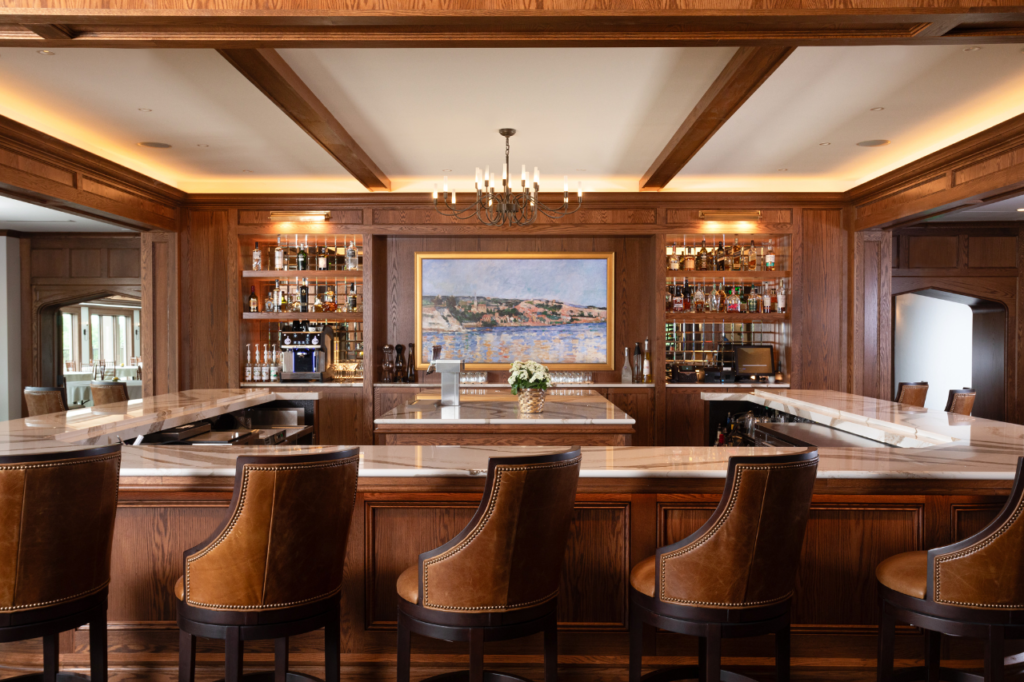
Rather than treating millwork as a final layer, designers are integrating it directly into the architectural structure of the space. In 2026, millwork is being used to:
- Define circulation paths
- Frame entryways and transitions
- Blend walls, storage, and built-ins into cohesive systems
This integration creates cleaner sightlines, fewer visual interruptions, and a more intentional user experience—especially in large commercial interiors like hospitals, schools, and event venues.
3. Modular and Repeatable Components Are on the Rise
With labor shortages and compressed schedules still impacting construction, modular millwork solutions are becoming more common in commercial projects.
In 2026, project teams are favoring:
- Repeatable cabinet systems
- Pre-engineered millwork components
- Scalable designs for multi-site rollouts
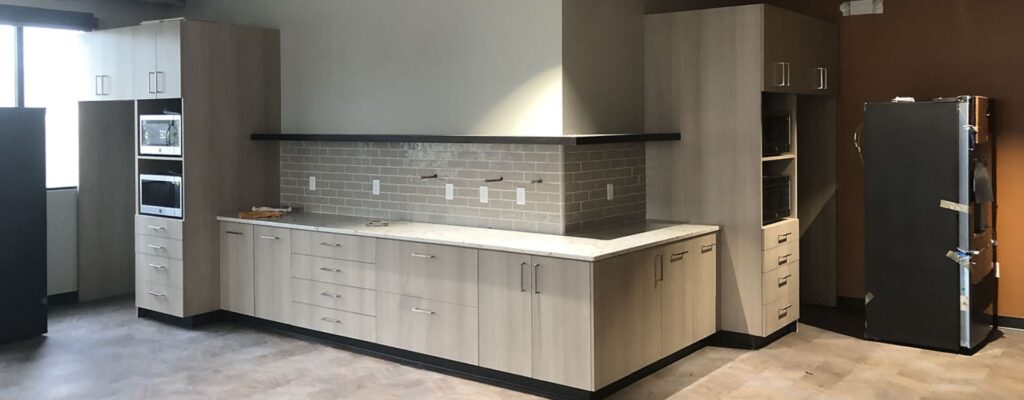
This approach improves consistency, simplifies coordination, and reduces risk—particularly for corporate offices, healthcare networks, and retail brands with multiple locations.
4. Warmth Is Replacing “Cold Commercial” Interiors
Commercial spaces are shifting away from sterile, overly minimal interiors. Instead, millwork is being used to introduce warmth and approachability through:
- Natural wood tones
- Subtle texture and grain variation
- Balanced contrast between wood, metal, and solid surfaces
This trend is especially strong in healthcare, hospitality, and senior living, where comfort and emotional response play a role in how spaces are perceived and used.
5. Storage Is Being Designed More Intentionally
In 2026, storage isn’t an afterthought—it’s a core design driver. Custom millwork is being used to:
- Reduce visual clutter
- Improve workflow efficiency
- Support staff operations behind the scenes
From nurse stations and classroom cabinetry to server stations and retail back-of-house storage, millwork is increasingly tailored to how people actually work within the space.

6. Sustainability Is Practical, Not Performative
Rather than focusing on buzzwords, commercial clients are asking practical sustainability questions:
- Will this material last longer?
- Can it be repaired instead of replaced?
- Does it reduce maintenance costs over time?
- Does it make sense for the space longterm?
In 2026, sustainable millwork decisions are being driven by longevity, material efficiency, and lifecycle value, not just certifications.
7. Precision and Coordination Matter More Than Ever
As commercial projects become more complex, coordination between architects, general contractors, and millwork shops is critical. The trend is toward:
- Detailed shop drawings earlier in the process
- Tighter collaboration during pre-production
- Clear labeling and just-in-time delivery
Millwork partners who prioritize accuracy and communication are becoming essential contributors to successful projects—not just suppliers.
What These Trends Mean for Commercial Projects
The biggest takeaway for 2026 is this: millwork decisions now affect long-term performance as much as visual design. The most successful commercial spaces are those where craftsmanship, coordination, and material selection work together from the start.
Whether planning a healthcare renovation, a new educational facility, or a hospitality build-out, choosing a millwork partner with in-house fabrication, proven processes, and commercial experience is more important than ever.
At MCS Woodworking, we design and manufacture custom commercial millwork for projects across Milwaukee and Wisconsin, helping teams translate design intent into durable, well-executed results. Let’s partner on your next project!