In retail, brand experience doesn’t stop at logos or signage. It’s shaped by how customers move through a space, how products are presented, and how the environment feels at every touchpoint. One of the most influential — and often overlooked — elements in that experience is custom millwork.
From fixtures and displays to checkout counters and feature walls, millwork plays a critical role in translating brand identity into a physical, immersive environment. When done well, it creates consistency, recognition, and trust across every store location.
Brand Consistency Starts with the Built Environment
Retail brands invest heavily in visual identity, but consistency often breaks down at the physical level. Generic fixtures, mismatched finishes, or poorly integrated casework can dilute brand presence and make stores feel disconnected from one another.
Custom millwork helps anchor brand standards by ensuring that:
- Materials and finishes are consistent across locations
- Fixtures align with brand proportions and scale
- Architectural details reinforce the same visual language
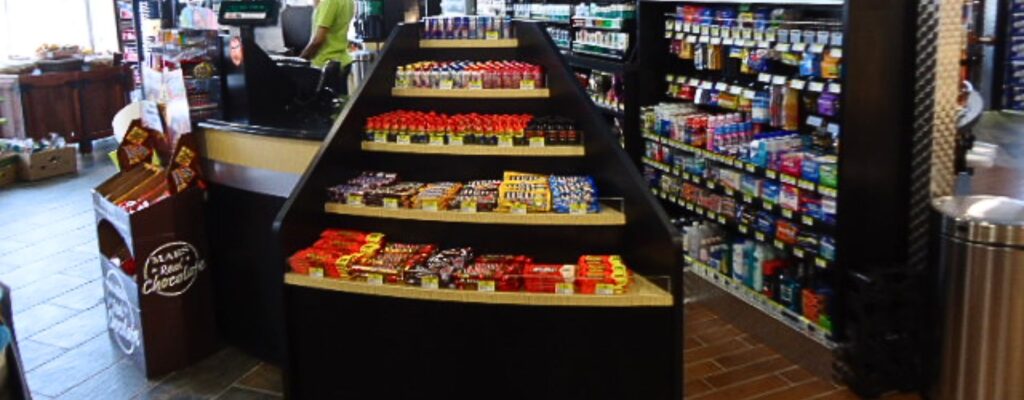
When customers walk into a store and immediately recognize the brand — without reading a sign — millwork is doing its job.
Fixtures Shape How Customers Perceive Quality
Customers subconsciously associate the quality of a space with the quality of the brand. Worn edges, mismatched displays, or flimsy fixtures can undermine even the strongest product offering.
Well-crafted millwork communicates:
- Attention to detail
- Professionalism and reliability
- Long-term investment in the customer experience
In contrast, durable, thoughtfully designed fixtures reinforce trust and elevate how customers perceive both the space and the brand itself.
Millwork Guides Customer Flow and Interaction
Brand experience isn’t just visual — it’s functional. How customers navigate a space, where they pause, and how they interact with products all affect engagement and conversion.
Custom millwork allows designers to:
- Define clear pathways through the store
- Highlight priority products and collections
- Create natural focal points without signage overload
By integrating millwork into layout planning, retailers can shape customer journeys that feel intuitive, comfortable, and on-brand.
Supporting Flexibility Without Losing Identity
Retail environments need to adapt — seasonal merchandising, new product lines, or evolving store formats are inevitable. The challenge is maintaining brand consistency while allowing for change.
Custom millwork solutions can be designed with:
- Modular components that support reconfiguration
- Built-in adaptability for seasonal displays
- Consistent finishes across flexible layouts
This balance allows retailers to evolve their spaces without sacrificing brand recognition or cohesion.
Consistency Across Multiple Locations
For brands with multiple locations, consistency is critical. Even small variations in fixtures or finishes can create uneven customer experiences.
Working with a millwork partner who provides repeatable designs, controlled fabrication, and precise documentation ensures that each location reflects the same standards — whether it’s across Milwaukee or statewide.
Centralized fabrication also helps maintain:
- Uniform quality
- Predictable timelines
- Accurate reproduction of approved designs
Turning Brand Strategy into Built Reality
A strong retail brand experience doesn’t happen by accident. It requires coordination between designers, contractors, and millwork specialists who understand how physical environments support brand goals.
At MCS Woodworking, we design and fabricate custom retail millwork that helps brands create cohesive, high-performing retail spaces throughout Milwaukee and Southeast Wisconsin. Every piece is manufactured in-house at our Menomonee Falls facility, ensuring precision, consistency, and dependable delivery.